
602.483.6019
How to Choose Window Treatments for Arizona’s Most Popular Home Styles
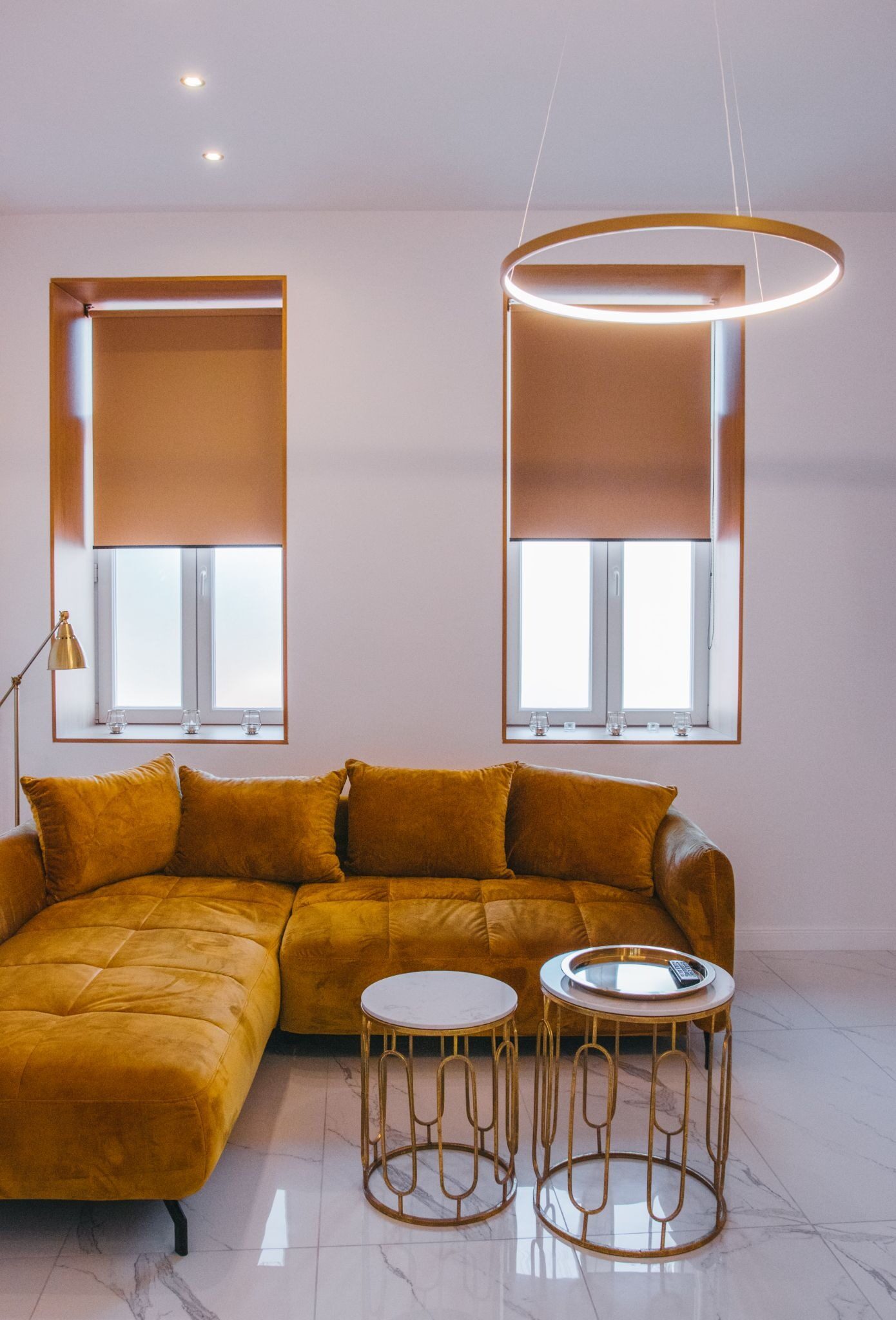
Arizona homes are shaped by more than square footage and floor plans. They are influenced by desert light, indoor-outdoor living, natural materials, mountain views, and architectural styles that range from historic territorial homes to crisp contemporary builds.
The right window treatments should do more than cover the glass. They should support the character of the home while helping manage privacy, glare, heat, and everyday comfort.
There is no single treatment that works for every Arizona home. A woven shade that feels right in a warm desert-modern living room may not be the best fit for a traditional Spanish Revival dining room. A clean roller shade may complement a contemporary home beautifully but feel too minimal in a more decorative setting.
The goal is to choose window treatments that feel connected to the architecture, not added as an afterthought.
Start With the Home’s Existing Character
Before selecting a fabric or finish, look closely at the features already present in the home.
Consider the following:
- Window shape and trim details
- Ceiling height and room scale
- Flooring, cabinetry, and wall colors
- Whether the home feels formal, relaxed, traditional, or modern
- The amount of natural texture already in the space
- The strength and direction of the sunlight
- Whether the room opens to a patio, pool, mountain view, or neighboring home
Window treatments should relate to these features. A successful choice often feels so natural that it seems as though it was always meant to be there.
Desert Contemporary Homes
Desert contemporary homes often feature clean lines, expansive glass, warm neutral palettes, natural stone, wood accents, and a strong relationship to the landscape.
In these homes, window treatments usually work best when they are simple, refined, and functional. Roller shades are a popular option because they offer a minimal profile and can preserve views when raised. Solar and light-filtering fabrics can help manage direct sun without making a room feel closed in.
Woven wood shades are another strong fit. Their natural texture adds warmth and depth while complementing materials such as oak, stone, plaster, leather, and linen. They can make a modern space feel softer without making it feel overly decorated.
For larger rooms, a combination of shades and restrained drapery can create a more layered look while maintaining the home’s clean architectural lines.
Mid-Century Modern Homes
Mid-century modern homes are often defined by low profiles, broad windows, open living spaces, and an emphasis on connecting the indoors with the outdoors.
Window treatments in these homes should respect the simplicity of the architecture. Clean-lined roller shades, woven woods, and shutters can work well depending on the home’s finishes and the amount of sunlight entering the space.
Color can be used thoughtfully. Warm wood tones, muted greens, clay hues, charcoal, and soft neutrals can complement a mid-century palette without overwhelming the room. Avoiding overly ornate top treatments or heavy fabric layers can help keep the windows feeling open and intentional.
If the home has a significant view, choose treatments that can disappear visually when not in use. Latreia’s guide on how to frame a beautiful view without competing with it offers useful planning considerations.
Spanish Revival and Mediterranean-Inspired Homes
Spanish Revival and Mediterranean-inspired homes often feature arched openings, tile, wood beams, iron details, stucco walls, and warmer color palettes.
These homes can support window treatments with more texture, softness, and architectural presence. Woven wood shades can echo the natural materials in the home, while Roman shades can bring fabric and color into a room without creating excessive fullness.
Custom drapery can be especially effective in formal living rooms, dining rooms, and bedrooms. It can soften arched or large windows, bring attention to ceiling height, and create an elegant frame around the view.
Shutters may also be a good fit in rooms that need stronger light control and a more structured appearance. The right finish and louver size should be chosen in relation to the home’s trim, cabinetry, and other architectural features.
Territorial and Adobe-Influenced Homes
Territorial and adobe-inspired homes tend to feel grounded, tactile, and closely connected to the desert landscape. Their character often comes from plaster walls, exposed wood, natural stone, earthy tile, rounded openings, and deep window reveals.
Window treatments in these spaces usually benefit from materials that feel warm and authentic. Woven wood shades, Roman shades in textured fabrics, and simple drapery panels can all work beautifully.
The goal is to enhance the home’s natural character without making the windows feel too formal or overly styled. Earthy neutrals, soft creams, warm sand tones, muted terracotta, and natural wood finishes often create a comfortable connection between the interior and the desert outside.
Because many territorial homes have deep-set or uniquely shaped windows, custom measurements and planning are particularly important.
Ranch and Traditional Southwest Homes
Ranch-style homes are common throughout Arizona and can range from simple and casual to highly updated and refined.
These homes often have a relaxed, approachable character, which makes them flexible when it comes to window treatments. Faux wood blinds, shutters, roller shades, cellular shades, and Roman shades can all work depending on the home’s age and design direction.
For a more classic look, custom shutters can bring structure and a built-in feel. For a softer or more updated room, Roman shades or woven woods can add texture and interest.
The goal is consistency. The treatments do not need to be identical from room to room, but they should share a visual language through color, material, or overall style.
New-Build and Modern Farmhouse Homes
Many newer Arizona homes blend clean, contemporary details with warmer, more familiar elements. You may see large windows, black trim, natural oak, white walls, simple cabinetry, and open-concept layouts.
Roller shades, transitional shades, drapery, and shutters can all work well in these spaces. The best choice depends on whether the room needs more softness, stronger privacy, or a more architectural finish.
A modern farmhouse home can become overly busy if every window is heavily layered. In many cases, a simple shade paired with drapery in key rooms creates enough warmth without adding clutter.
For homeowners making choices across an entire home, Latreia’s article on layering window treatments like an interior designer can help explain where a second layer adds value and where simplicity is the better choice.
Let Function Guide the Final Decision
Architecture should guide the aesthetic direction, but function still matters.
A west-facing family room may need more glare protection than a shaded front bedroom. A bathroom may need greater privacy. A sliding door may require a treatment that moves smoothly every day. A room with tall or hard-to-reach windows may benefit from motorization.
The best treatment is one that works with the home’s style and the way the room is actually used. This is why seeing fabrics, finishes, and samples in the home itself is so valuable. Colors and materials can look very different under Arizona sunlight than they do in a showroom or online.
Design With the Whole Home in Mind
A home does not need matching window treatments in every room to feel cohesive. But there should be a consistent point of view.
That may mean repeating a color family, using similar hardware finishes, carrying natural texture through multiple spaces, or choosing a shared palette of warm neutrals. The goal is to create connection while allowing each room to respond to its own light, privacy, and functional needs.
Latreia Home Solutions offers window treatments, interior design, and professional installation to help homeowners make those decisions with confidence. Schedule a complimentary in-home consultation to find window treatments that feel right for your home, your architecture, and your everyday life.
Editorial Writer - Victoria Yancer - Verum Digital Marketing
Transformations for Inspired Living
From elegant blinds to inspired interior spaces, and comprehensive home transformations, our expertise spans the spectrum of creating harmonious living environments. At Latreia, we redefine the essence of home through the convergence of window treatments, interior aesthetics, and expert craftsmanship. Explore the possibilities and elevate your living experience with Latreia Home Solutions today.