
602.483.6019
How to Frame a Beautiful View Without Competing With It
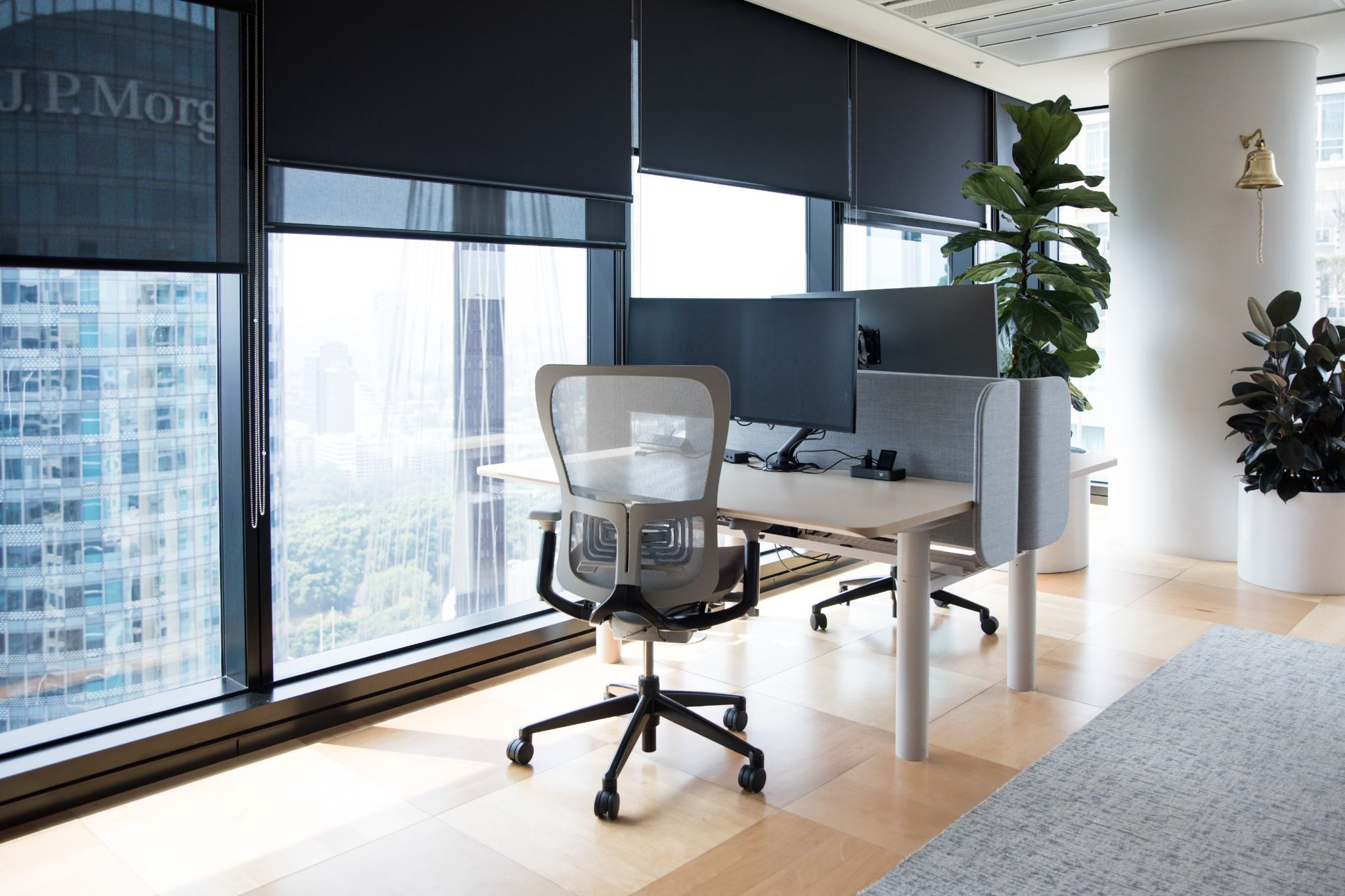
A beautiful view is one of a home’s greatest design features. Whether your windows overlook desert mountains, a golf course, a pool, or a carefully landscaped backyard, the scenery naturally becomes part of the room.
The right window treatments should support that connection without overwhelming it.
That does not mean leaving the windows uncovered. Arizona homes still need protection from glare, heat, fading, and unwanted visibility. The challenge is finding treatments that preserve the view when you want it while providing comfort and control when you need them.
With thoughtful design, window treatments can frame the scenery as intentionally as artwork.
Begin With the View You Want to Preserve
Not every part of a window offers the same visual value. One window may frame an expansive horizon, while another captures a garden, pool, or architectural feature at eye level.
Start by identifying what you most enjoy seeing:
- A distant mountain or desert landscape
- The sky and changing natural light
- A backyard entertaining area
- A pool, garden, or water feature
- A golf course or open space
- A particular architectural detail
Once the focal point is clear, the treatment can be designed around it. The goal may be to keep the entire opening visible, protect only the lower portion, or reduce afternoon brightness without losing the overall scenery.
Choose a Treatment With a Minimal Profile
When a window is meant to showcase a view, the amount of space the treatment occupies matters.
Roller shades are a popular solution because they have a clean profile and roll compactly above the window. When raised, they leave much of the glass unobstructed. Their simplicity also prevents the treatment from visually competing with the landscape.
Depending on the window and installation, shades may be mounted inside the frame for a streamlined appearance or positioned above it to preserve more of the visible glass.
Other treatments can work beautifully as well, but their stack, folds, or hardware should be considered during the design process. A treatment that appears minimal when closed may occupy more of the window than expected when fully open.
Think About Where the Treatment Goes When Open
Homeowners often focus on how a window treatment looks when closed. For a room with a view, its open position is just as important.
Drapery panels stack along the sides of the window. Vertical treatments collect at one side or divide in the center. Roller shades gather above the glass. Each option affects a different part of the view.
If the most valuable sightline is horizontal, placing a compact treatment above the window may make sense. If the window is especially tall, side-stacking panels might preserve the upper view while adding softness to the room.
The proportions of the wall, the width of the glass, and the location of nearby furniture should all influence the decision.
Use Solar Shades to Reduce Glare Without Losing the Scenery
Solar shades are particularly useful when homeowners want relief from intense sunlight without completely closing off the outdoors.
Their performance depends partly on the fabric’s openness factor, which describes how tightly the material is woven. A more open fabric typically maintains a clearer view, while a tighter weave provides stronger glare and solar control.
Choosing the right openness involves balancing:
- The direction the window faces
- The intensity of direct sunlight
- The desired clarity of the view
- Daytime privacy
- Interior fading concerns
- Screen visibility and television glare
A west-facing window overlooking the mountains may need more solar protection than a shaded north-facing window, even if the two are in the same room.
Let Color Support the View
The color of a shade affects both its appearance and the way you see through it.
Darker solar fabrics often provide a clearer outward view because the eye looks past the dark threads more easily. Lighter fabrics can feel softer and brighter from inside but may create more visual diffusion.
The surrounding interior also matters. A treatment should relate to the wall color, flooring, furniture, and window frames without becoming the room’s dominant feature.
Neutral colors often allow the scenery to take center stage, but neutral does not have to mean plain. Texture, subtle contrast, and carefully selected hardware can give the window a finished appearance while preserving visual calm.
Frame the Window With Drapery
Drapery can make a window feel larger and more intentional, especially when panels are mounted beyond the edges of the glass.
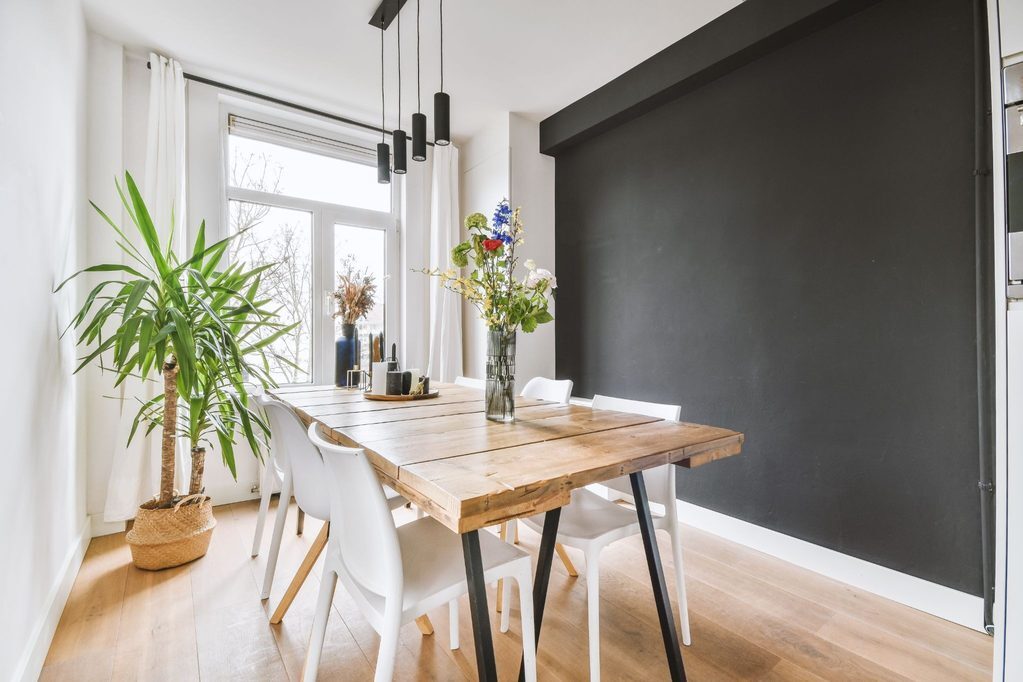
Positioning panels outside the primary viewing area creates a frame around the scenery. It can also soften hard architectural lines and connect the window to the rest of the interior.
For this approach to work, the wall needs enough room for the fabric to stack without covering too much glass. The fullness, length, hardware, and placement of the panels should be planned around the window’s proportions.
When selected carefully, drapery does not compete with the view. It creates a graceful transition between the interior and the landscape beyond it.
Plan for Privacy After Sunset
A wide-open view can become a privacy concern once the sun goes down.
During daylight hours, solar shades may reduce visibility into the home. At night, however, interior lighting can make rooms more visible from outside. Homes overlooking neighboring properties, sidewalks, golf courses, or shared outdoor spaces may need an additional layer.
Pairing solar shades with drapery or a secondary privacy treatment allows homeowners to enjoy the view during the day and create a more sheltered environment at night.
This is especially important in living rooms, primary bedrooms, and other spaces where expansive windows are part of the architecture.
Protect the Interior Without Closing It Off
Views often come with abundant sunlight. While beautiful, prolonged exposure can affect flooring, furniture, artwork, cabinetry, and textiles.
A window treatment does not need to remain fully closed all day to provide meaningful protection. Automated schedules can lower shades during the hours of strongest exposure and raise them when the direct sun has passed.
This allows the home to respond to changing conditions while preserving access to the view for more of the day.
Coordinate Treatments Across Multiple Windows
Rooms with panoramic views often have several windows, corner glass, or large sliding doors. Treating each opening separately can create visual clutter and interrupt the sense of continuity.
Coordinated fabrics, aligned mounting heights, and synchronized movement help multiple treatments read as one thoughtful system. Motorization can be particularly valuable in these spaces because several shades can move together without disrupting the clean appearance of the room.
Consistency does not mean every treatment must be identical. The objective is to create enough visual connection that the eye continues toward the landscape instead of stopping at each window.
Design From Both Sides of the Glass
A successful window treatment should look intentional from inside and outside the home.
From the interior, it should complement the room and preserve the desired sightline. From outside, it should contribute to a consistent appearance across the home’s exterior. This is especially important for front elevations, patios, and windows visible from outdoor entertaining areas.
Considering both perspectives results in a home that feels cohesive rather than designed one window at a time.
Make the View Part of the Room
The best window treatments do more than cover glass. They shape how the home connects with its surroundings.
By considering the treatment’s profile, fabric, color, stack, solar performance, and movement, you can enjoy an open view without giving up comfort, privacy, or protection.
Latreia Home Solutions helps homeowners select window treatments around the architecture of the home and the scenery beyond it. Schedule an in-home design consultation to explore solutions that frame your view beautifully and perform throughout the day.
Editorial Writer - Victoria Yancer - Verum Digital Marketing
Transformations for Inspired Living
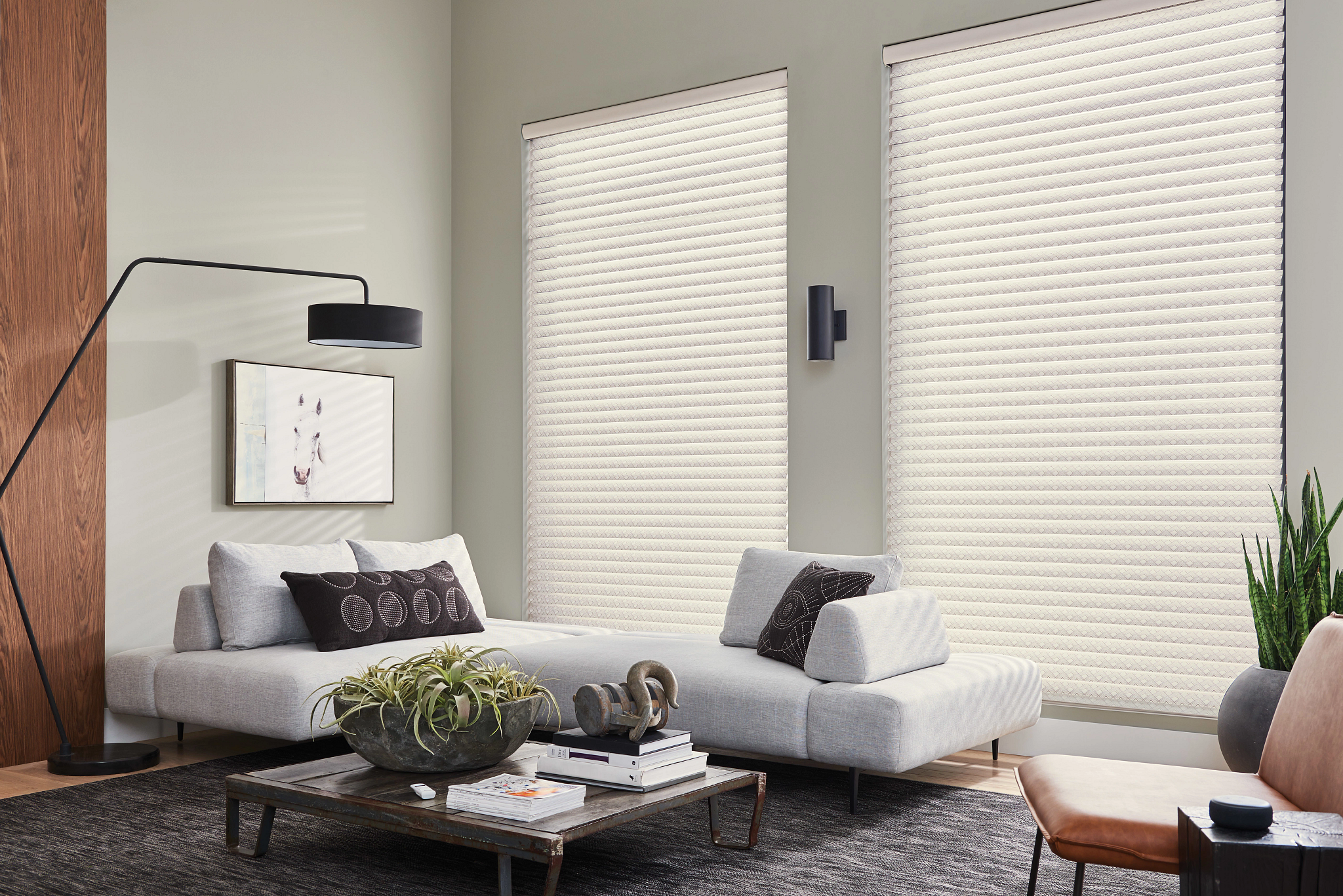
From elegant blinds to inspired interior spaces, and comprehensive home transformations, our expertise spans the spectrum of creating harmonious living environments. At Latreia, we redefine the essence of home through the convergence of window treatments, interior aesthetics, and expert craftsmanship. Explore the possibilities and elevate your living experience with Latreia Home Solutions today.