
602.483.6019
Should Blinds Be Lighter or Darker Than the Walls?
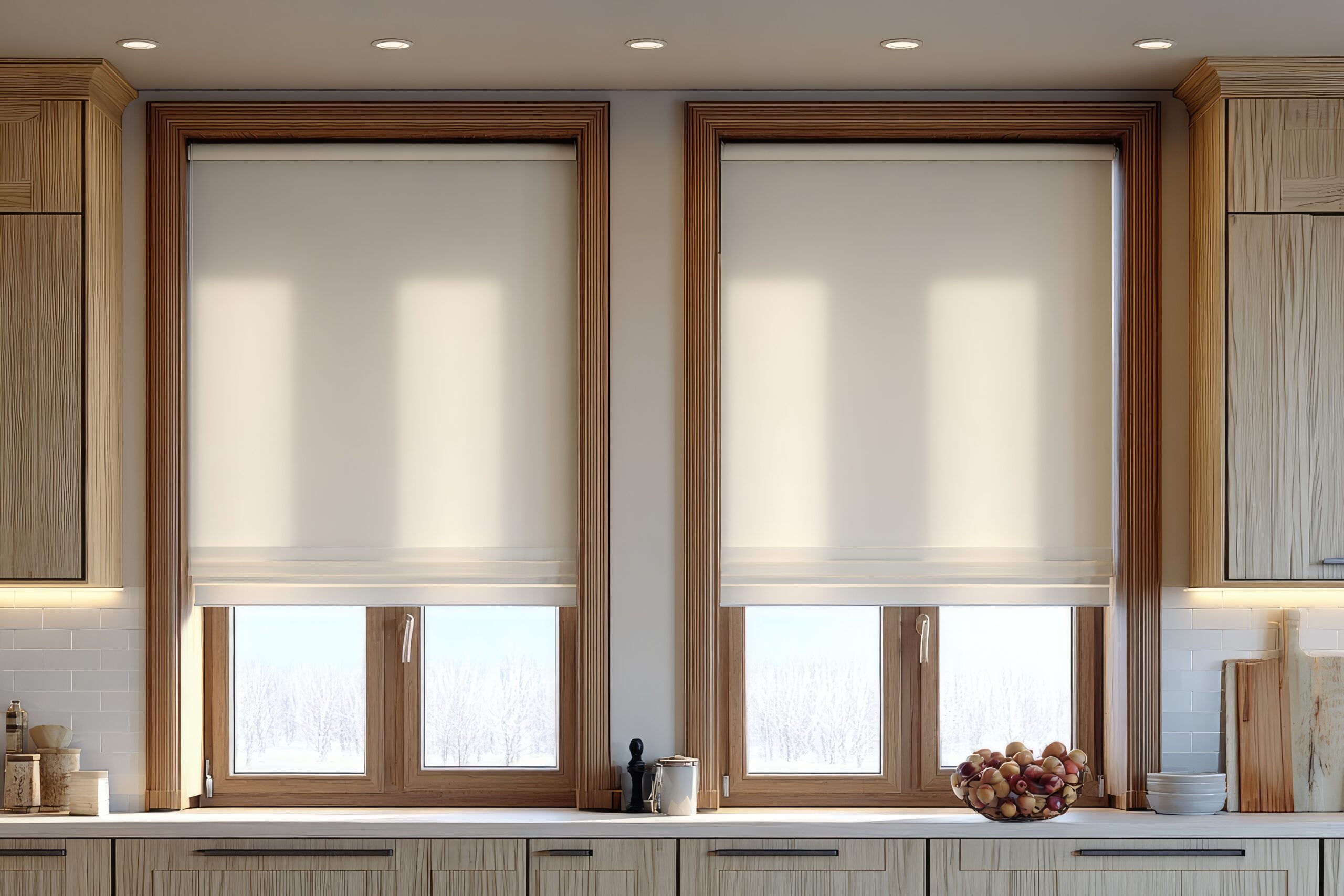
Choosing the right blind color is one of the most common questions homeowners ask during a design consultation. Blinds have a major impact on how a room feels, and the wrong color can make a space look smaller, darker, or unbalanced. The good news is that there is no one rule, but there are clear principles that make choosing the right shade easy.
This guide breaks down everything you need to know, with specific tips for Arizona homes where sunlight, heat, and brightness play an even bigger role.
Start With This Question.
Do You Want Your Blinds to Blend In or Stand Out?
This is the foundation for choosing the right color.
Choose lighter blinds if you want a seamless, airy, blended look.
Lighter blinds create a clean, open feel and help the window visually disappear into the wall. This works especially well when you want your décor, artwork, or furniture to be the focus.
Choose darker blinds if you want contrast, depth, or a bold statement.
Darker blinds frame the window, add definition, and draw the eye. This creates a more dramatic, grounded look, especially in modern spaces.
Both approaches can be beautiful; the best choice depends on your style and the room.
When Lighter Blinds Are the Better Choice
Lighter blinds are the most common recommendation for Arizona homes. They are practical, bright, and visually expanding.
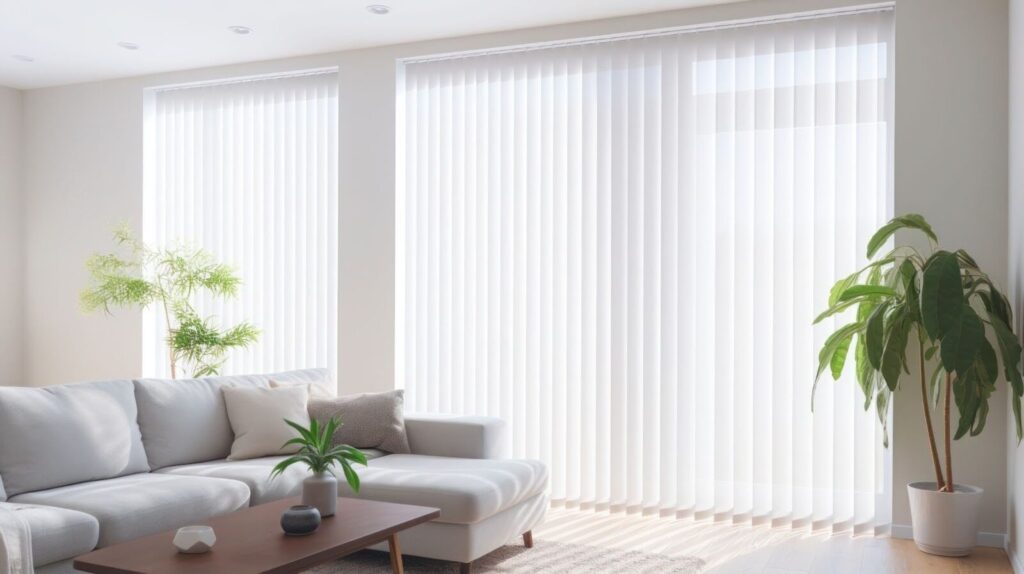
Choose lighter blinds if you want to:
- Make a small room feel larger
- Keep a space bright and open
- Blend the window into the wall color
- Soften strong or bold wall colors
- Avoid heat absorption on south and west facing windows
- Reduce visual heaviness in tight spaces
In Arizona, lighter blinds also help with heat regulation. Light colors reflect sunlight rather than absorbing it, which keeps rooms cooler and reduces strain on the AC.
Lighter neutral shades like white, cream, sand, and soft gray work beautifully with most wall colors.
When Darker Blinds Are the Better Choice
Darker blinds are ideal when you want your windows to feel like intentional design features.
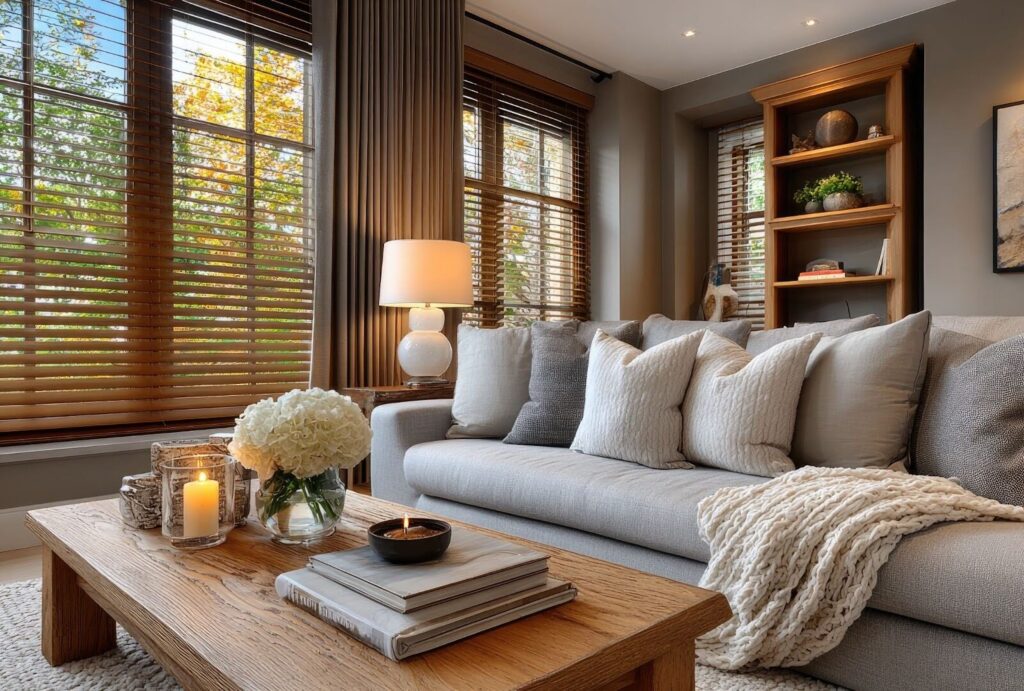
Choose darker blinds if you want to:
- Add dimension or contrast in a bright space
- Highlight architectural lines, such as tall windows
- Create a cozy, grounded feel in a large room
- Anchor modern décor with clean dark accents
- Pair with very light walls for a striking focal point
Dark blinds generally work best in larger rooms where they have space to breathe. They also pair well with dark window frames, black fixtures, or bold modern interiors.
One thing to consider in Arizona: darker fabrics absorb more heat. If you want the look of a dark blind without the temperature impact, consider thermal liners or motorized solar shades that manage heat more effectively.
Match Undertones, Not Just Colors
This is a design detail many homeowners overlook.
Walls have undertones. So do blinds.
To keep your space cohesive:
- Pair warm blinds (beige, tan, natural wood tones) with warm walls
- Pair cool blinds (white with blue undertones, gray, charcoal) with cool walls
Even if the colors are different, matching undertones keeps the room harmonious.
Consider the Natural Light in Your Space
Arizona homes get intense sunlight, and that changes how colors look throughout the day.
Bright, sun-filled rooms
Both light and dark blinds can work well, but darker blinds will create stronger contrast.
Lighter blinds will feel softer and more diffused.
Darker or shaded rooms
Lighter blinds are usually better.
Darker blinds can make low-light spaces feel heavy.
Rooms that face west or south
Light colors help reduce heat gain.
Dark blinds may look beautiful but can trap more warmth.
What About Other Window Treatments?
Even though this article focuses on blinds, the same principles apply to other styles:
Roller Shades
Great for a sleek, modern look. Lighter colors diffuse harsh sunlight beautifully in Arizona.
Cellular Shades
One of the best choices for energy efficiency. Light tones brighten a space while helping regulate temperature.
Plantation Shutters
White or warm neutrals are the most timeless and resale-friendly. They work with nearly every wall color.
Roman Shades
Lighter fabrics feel elegant and soft. Darker romans add drama in larger living areas.
Your wall color still anchors the decision.
So Should Blinds Be Lighter or Darker Than the Walls?
The short answer:
Either can work. The right choice depends on your room’s lighting, wall color, size, and the feeling you want to create.
Choose lighter blinds if you want bright, airy, seamless, or energy-efficient.
Choose darker blinds if you want contrast, drama, depth, or a defined focal point.
Both are correct; the best choice is the one that supports your design goals.
Ready to See Which Color Works Best in Your Home?
The easiest way to choose is to see the options in your own space, with your lighting, wall colors, and décor. Latreia Home Solutions offers personalized in home design consultations where you can compare samples side by side and get expert guidance on what will look best.
Whether you want soft neutrals, bold contrast, or something in between, our team can help you choose window treatments that match your style, enhance comfort, and elevate the look of your home.
Book your consultation today and discover the ideal blind color for your Arizona home.
Written by - Victoria Yancer - Verum Digital Marketing
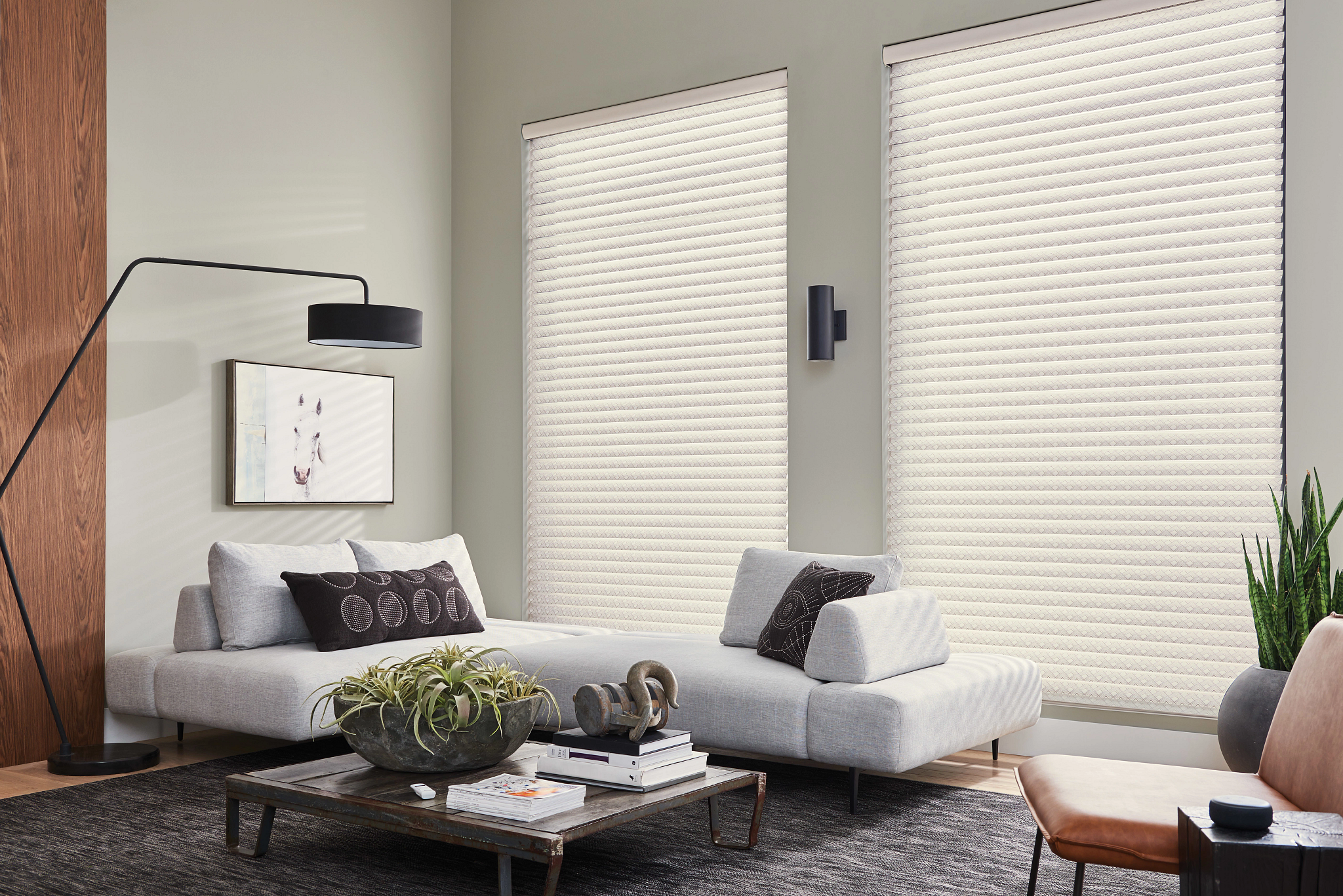
Transformations for Inspired Living
From elegant blinds to inspired interior spaces, and comprehensive home transformations, our expertise spans the spectrum of creating harmonious living environments. At Latreia, we redefine the essence of home through the convergence of window treatments, interior aesthetics, and expert craftsmanship. Explore the possibilities and elevate your living experience with Latreia Home Solutions today.