
602.483.6019
Best Window Treatments for West-Facing Windows in Arizona
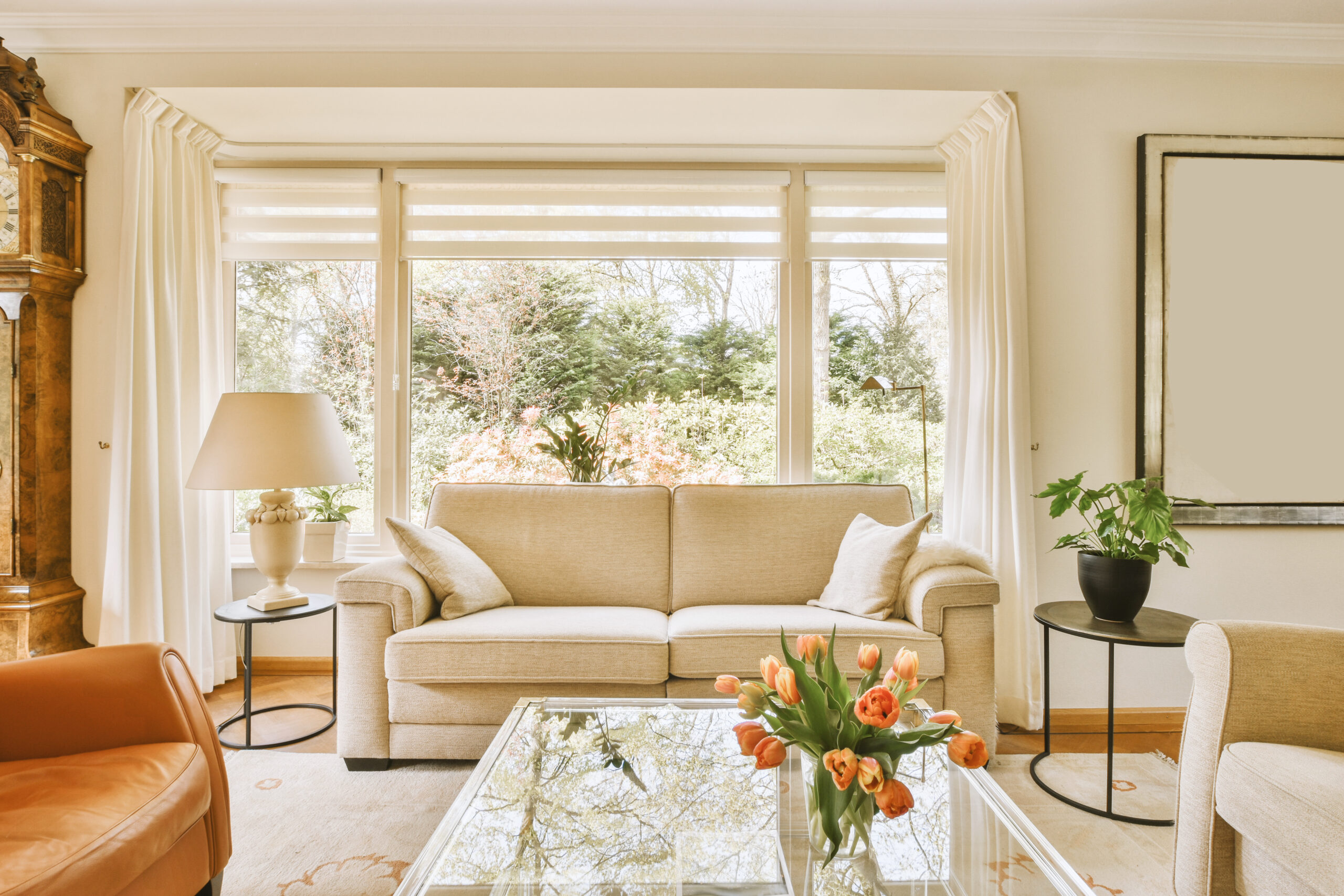
West-facing windows can be beautiful in the morning and brutal by late afternoon. In Arizona homes, these windows often take the hardest hit from direct sun, especially during the hottest part of the day. That can lead to warmer rooms, uncomfortable glare, faded furniture, and higher demand on your cooling system.
The right window treatments can make a west-facing room feel more comfortable without taking away the natural light, view, or design of the space. The key is choosing a treatment that fits the way the room is used, how much privacy you need, and how much sun exposure the window receives.
Why West-Facing Windows Are Harder to Cover
West-facing windows receive strong afternoon and evening sun. In Arizona, that often means the room starts heating up right when the rest of the house is already working to stay cool.
This can be especially noticeable in:
- Living rooms with large picture windows
- Bedrooms that stay hot into the evening
- Home offices with screen glare
- Dining rooms or sitting areas with direct sunset exposure
- Rooms with dark furniture, wood floors, or artwork near the glass
A light decorative shade might soften the look of the window, but it usually is not enough for intense west-facing exposure. These windows need a more strategic solution.
What to Consider Before Choosing a Window Treatment
Before choosing shades, shutters, blinds, or drapery, think about what you actually need the window treatment to do.
For west-facing windows, most homeowners are trying to solve one or more of these problems:
- Too much afternoon heat
- Glare on TVs, computers, or phones
- Fading floors, rugs, furniture, or artwork
- Lack of privacy in the evening
- Bedrooms that stay too warm at night
- A room that feels too dark when the shades are closed
The best choice depends on whether your priority is heat control, light filtering, privacy, design, or a combination of all four.
Solar Shades: Best for Glare and View Preservation
Solar shades are one of the best options for west-facing windows when you want to reduce glare without completely blocking the view. They filter sunlight, help cut down on brightness, and create a clean, modern look.
They are especially useful in rooms where you still want to see outside, such as living rooms, dining rooms, offices, and open-concept spaces.
Solar shades come in different openness levels. A lower openness factor blocks more light and glare, while a higher openness factor allows more view and natural light. For west-facing windows in Arizona, a tighter weave is usually better for strong afternoon sun.
Solar shades are a strong fit for:
- Large west-facing windows
- Rooms with screen glare
- Modern or minimalist homes
- Spaces where the view matters
- Areas that need daytime light control
One thing to keep in mind is privacy. Solar shades usually provide daytime privacy, but at night, the effect can reverse when lights are on inside the home. For street-facing or neighbor-facing windows, pairing solar shades with drapery can create better evening privacy.
Cellular Shades: Best for Insulation
Cellular shades, also called honeycomb shades, are a good choice when the room gets noticeably hotter than the rest of the house. Their honeycomb structure traps air in the cells, which helps create a layer of insulation at the window.
For west-facing bedrooms, offices, nurseries, and media rooms, cellular shades can help the room feel more controlled and comfortable.
They are available in light-filtering and room-darkening options. Light-filtering cellular shades soften harsh sunlight while still allowing some brightness into the room. Room-darkening options work better for bedrooms, guest rooms, and rooms where you want stronger sun control.
Cellular shades are a strong fit for:
- Bedrooms that heat up in the afternoon
- Rooms where comfort matters more than the view
- Homes focused on energy efficiency
- Spaces that need both privacy and heat control
- Windows that need a softer, less modern look than roller shades
For intense west-facing sun, cellular shades can also be layered with drapery for a more finished design and stronger light control.
Plantation Shutters: Best for Adjustable Light Control
Plantation shutters are a strong option for west-facing windows because they give you flexible control over light, privacy, and airflow. You can tilt the louvers to redirect sunlight without fully closing off the room.
This is especially helpful in Arizona homes where you want to reduce direct sun but still keep the room feeling open.
Shutters also have a more permanent, built-in look, which can work well in traditional, transitional, and desert-inspired interiors. They are especially popular in bedrooms, front-facing rooms, dining rooms, and living spaces where homeowners want a polished finish.
Shutters are a strong fit for:
- Rooms where privacy matters
- Homeowners who want a classic look
- Windows that need flexible light control
- Spaces where durability is important
- Rooms that face the street or neighboring homes
Shutters do not disappear the way roller shades do, so they become part of the architecture of the room. That can be a benefit if you want a more finished look.
Blackout and Room-Darkening Shades: Best for Bedrooms
West-facing bedrooms can be frustrating because they often get hot later in the day and stay warm into the night. If the room is used for sleeping, blackout or room-darkening shades can make a big difference.
Blackout shades are ideal when you want to block as much light as possible. Room-darkening shades are a softer option when you do not need total darkness but still want better control over heat and brightness.
These are especially helpful for:
- Primary bedrooms
- Children’s rooms
- Guest bedrooms
- Media rooms
- Shift workers who sleep during the day
For the best result, pay attention to the mount style. An outside mount can help reduce light gaps around the edges of the shade. That matters more on west-facing windows because even small gaps can let in strong afternoon light.
Drapery: Best for Layering and Softness
Drapery is not always the first thing homeowners think of for Arizona heat, but it can be very useful when layered correctly. Drapery adds softness, color, texture, and another layer of protection against harsh sunlight.
For west-facing windows, drapery works best when paired with another treatment, such as solar shades, roller shades, or cellular shades. The shade handles the daily sun control, while the drapery adds privacy, warmth, and a more finished design.
Drapery is a strong fit for:
- Living rooms
- Bedrooms
- Dining rooms
- Large windows
- Rooms that feel too hard or unfinished
- Spaces that need both function and design
Lined drapery can provide more light control than sheer panels. Sheers can still be beautiful, but on their own, they usually are not enough for strong west-facing exposure in Arizona.
Motorized Shades: Best for Hard-to-Reach or High-Use Windows
Motorized shades are especially helpful for west-facing windows because timing matters. If the shades are open all afternoon, the room can heat up quickly. Motorization makes it easier to close shades during peak sun hours, even if you are not home or the windows are hard to reach.
This is useful for:
- Tall windows
- Large glass walls
- Homes with multiple west-facing windows
- Busy families
- Smart home setups
- Rooms that need daily sun control
Motorized shades can also help protect furniture, flooring, and artwork by making shade use more consistent. Instead of remembering to close everything manually, homeowners can automate the shades around the hottest part of the day.
Should You Use Interior or Exterior Shades?
Interior window treatments are usually the most common choice, but exterior shading can be helpful when west-facing exposure is severe. Exterior shades and outdoor screens help block sun before it hits the glass, which can be especially useful for patios, large windows, and outdoor living areas.
For many Arizona homes, the best solution is a combination of both. Exterior shading helps reduce the sun before it enters the home, while interior treatments give you privacy, design, and day-to-day light control.
This can work especially well for:
- West-facing patios
- Great rooms with large glass doors
- Homes with no trees or shade structures
- Rooms that stay hot even after interior shades are closed
- Outdoor living areas that need afternoon shade
Best Overall Options for West-Facing Windows
There is no single best window treatment for every west-facing window. The best choice depends on the room.
For living rooms, solar shades or roller shades are often a great fit because they reduce glare while keeping the space clean and open.
For bedrooms, cellular shades, blackout shades, or layered drapery offer stronger privacy and light control.
For street-facing windows, shutters or top-down/bottom-up shades can help balance privacy and natural light.
For luxury or design-focused spaces, layered treatments are often the best choice. A solar or cellular shade can handle the function, while drapery gives the room a more finished look.
For hard-to-reach windows, motorized shades make daily use much easier.
What to Avoid on West-Facing Windows
Some window treatments look beautiful but do not perform well against intense afternoon sun. For west-facing windows in Arizona, be careful with:
- Sheer drapery used alone
- Thin decorative shades with little sun control
- Dark fabrics that absorb too much heat
- Treatments that leave large light gaps
- Unlined fabric on high-exposure windows
- Choosing only for style without considering heat and glare
A west-facing window needs both design and performance. The right treatment should look good, but it also needs to solve the actual problem.
When Layering Window Treatments Makes Sense
Layering is often the best solution for difficult windows. This means using two treatments together, such as a solar shade with drapery or a cellular shade with side panels.
Layering works well when you need:
- Better evening privacy
- More softness in the room
- Stronger heat and glare control
- A designer finish
- Flexibility throughout the day
For example, solar shades can stay down during the afternoon to reduce glare, while drapery can be closed in the evening for privacy. This gives the room more flexibility than one treatment alone.
Get Help Choosing the Right Window Treatments for Your Home
West-facing windows need more than a pretty shade. They need a solution that fits the direction of the sun, the design of the room, and the way you live in the space.
Latreia Home Solutions helps homeowners choose custom window treatments that balance light, privacy, comfort, and design. From solar shades and shutters to drapery, motorized shades, and outdoor shade solutions, our team can help you find the right fit for your home.
Schedule a consultation to explore custom window treatments for your west-facing windows.
Editorial Writer - Victoria Yancer - Verum Digital Marketing
Transformations for Inspired Living
From elegant blinds to inspired interior spaces, and comprehensive home transformations, our expertise spans the spectrum of creating harmonious living environments. At Latreia, we redefine the essence of home through the convergence of window treatments, interior aesthetics, and expert craftsmanship. Explore the possibilities and elevate your living experience with Latreia Home Solutions today.